This post contains affiliate links. As an Amazon Associate I earn from qualifying purchases. I may also earn commissions from other affiliate programs at no extra cost to you. Please read full disclosure for more information.
Launched a new product but no one is showing up? I’ve been there! Today I’m sharing the launch strategy I use myself so you can borrow it for better results.
Why Do Most People Fail at Selling Online?
Most people fail because they think posting a product is enough. But even the most successful creators, like YouTubers, spend most of their time marketing their business. Otherwise, nobody would ever know about them, let alone buy their products.
Competition in every industry is huge. Even if you list your products on a marketplace, you still need to drive your own traffic.
That’s why having a clear marketing strategy for your product launch is essential if you want it to stand out and actually sell.
1. Understanding Your Product and Audience
First, you will need to define your product. Why? This is important because understanding your product helps you identify its unique selling points (USPs).
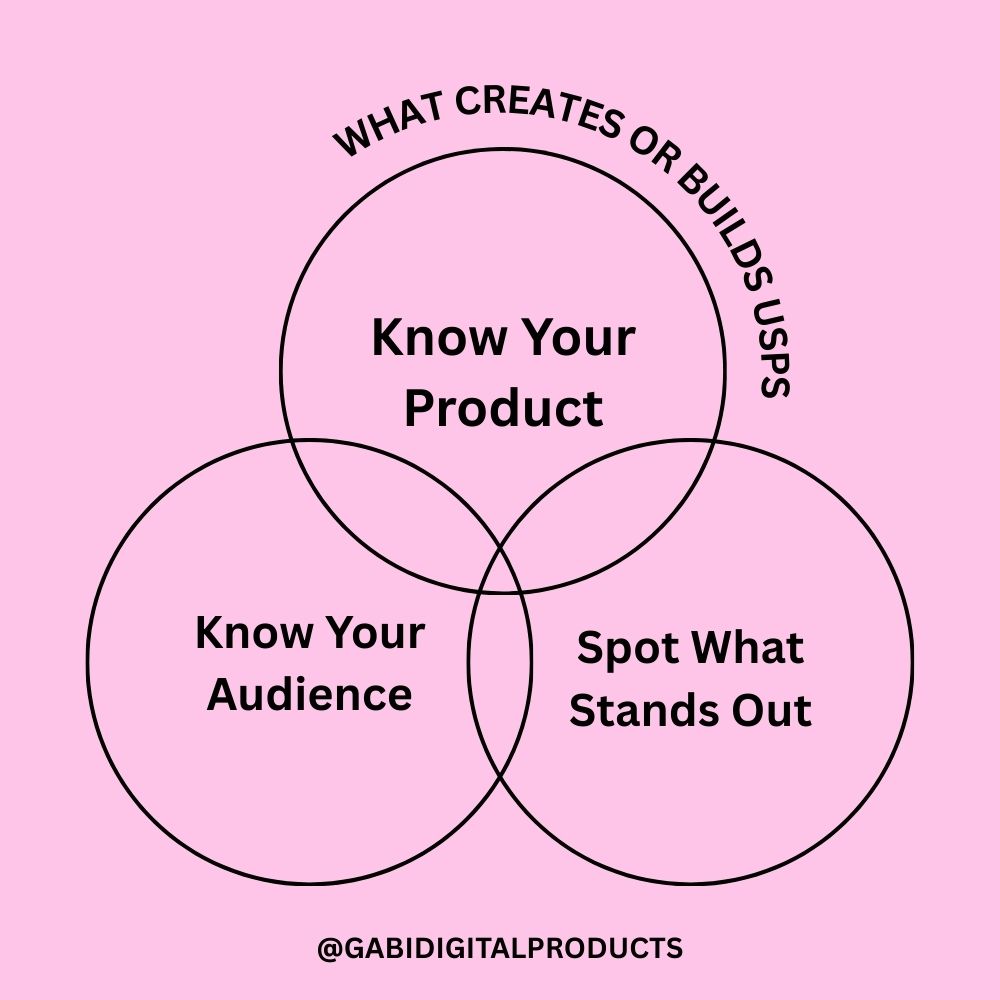
USPs are the features or benefits that make your product stand out from competitors, basically, what makes people choose your product over others.
For example, if I want to market my new freebie (Pinterest pin templates with commercial rights), my selling points would be:
- Free (not everyone offers that)
- Time-saving (ready-made & customizable)
- Profit-friendly (help users make money)
- Flexible (for bloggers, entrepreneurs, and digital sellers)
A short positioning statement could be:
“Forget spending hours designing templates, my free, ready-made Pinterest templates are fully brandable, high-quality, and cost $0. Perfect for bloggers, digital sellers, and entrepreneurs who want to save time and start profiting immediately.”
Identify Target Audience
Next, ask yourself: Who is the audience buying your product?
Busy moms, school teachers who are tired of their teaching jobs, or dads who want to lose weight and become healthier?

For example, if I am giving away a freebie (let’s take the same product example), my ideal customers are busy entrepreneurs, bloggers, and side hustlers who want to save time, create visually appealing pins, and increase engagement on Pinterest.
Having trouble figuring this out on your own? Use ChatGPT!
Customer Pain Points
Your customers might have pain points like:
- eBook: People don’t have time to research, feel overwhelmed, and need step-by-step guidance.
- Online course: People want fast results, struggle with discipline, and need practical tips.
- Templates / PLR products: People have limited design skills, want to save time, and need customizable options.
- Printables / planners: People have trouble staying organized, want to get more done, and like ready-to-use tools.
When creating your marketing plan, pick 1–3 top pain points and focus on those.
Market Research
Look for competitors selling similar digital products, such as templates, eBooks, courses, or printables. Then analyze:
- What Makes Them Special (USPs) – what makes their product different (e.g., easy for beginners, saves time, ready to use, gives results)
- Who They Target – the people they want to reach (e.g., bloggers, side hustlers, solo business owners)
- Problems They Solve – the issues their product or marketing helps with (e.g., no design skills, not enough time, learning quickly)
Use this information to show how your product is unique and fits your audience’s needs better than others.
2. Setting Goals and KPIs
If all of this sounds confusing, it’s understandable. With practice, it will get easier!
Basically, your goals have to be:
- Specific
- Measurable
- Achievable
- Relevant
- Time-bound
SMART Goals help you clarify exactly what you want (e.g., “I want 500 people to download my template in 30 days” vs. “I want more downloads”).

KPIs let you measure progress so you know what’s working and what isn’t (e.g., template downloads, email sign-ups, or clicks from social media).
3. Choosing Digital Marketing Channels
Now that you know who you are targeting (e.g., busy entrepreneurs), what your unique selling points are (e.g., profit potential), what pain points you are solving (e.g., time), and what you want to achieve (e.g., 500 people to download your template), it’s time to understand where your audience hangs out.
Where to Find Them?
Your potential customers hang out in different places depending on their interests and needs. For digital product sellers, for example:
- Social Media: Pinterest, Instagram, TikTok, LinkedIn, or Facebook — platforms where people look for tools, templates, or digital business tips.
- Online Communities: Facebook groups, Reddit, or Discord servers for bloggers, digital creators, or solopreneurs.
- Blogs & Websites: Sites covering digital marketing, online business, product creation, or productivity resources.
- Paid Ads & Searches: Look at the keywords your audience searches and the ads they engage with on Google, Pinterest, or YouTube.
You can also use tools like ChatGPT: describe your target audience, and it can suggest where they spend time online.
4. Digital Marketing Strategy for New Product Launch
To promote my recently launched freebie, I focus on a few key platforms: writing a blog, creating Pinterest pins, and repurposing content on Substack. I also spend time on Reddit, helping people and linking back to my site, and I upload free images to Pixabay with credit links.
Key point: I’m just one person, so I stick to a few platforms I can manage well, WordPress, Substack, and Pinterest, before expanding to others.
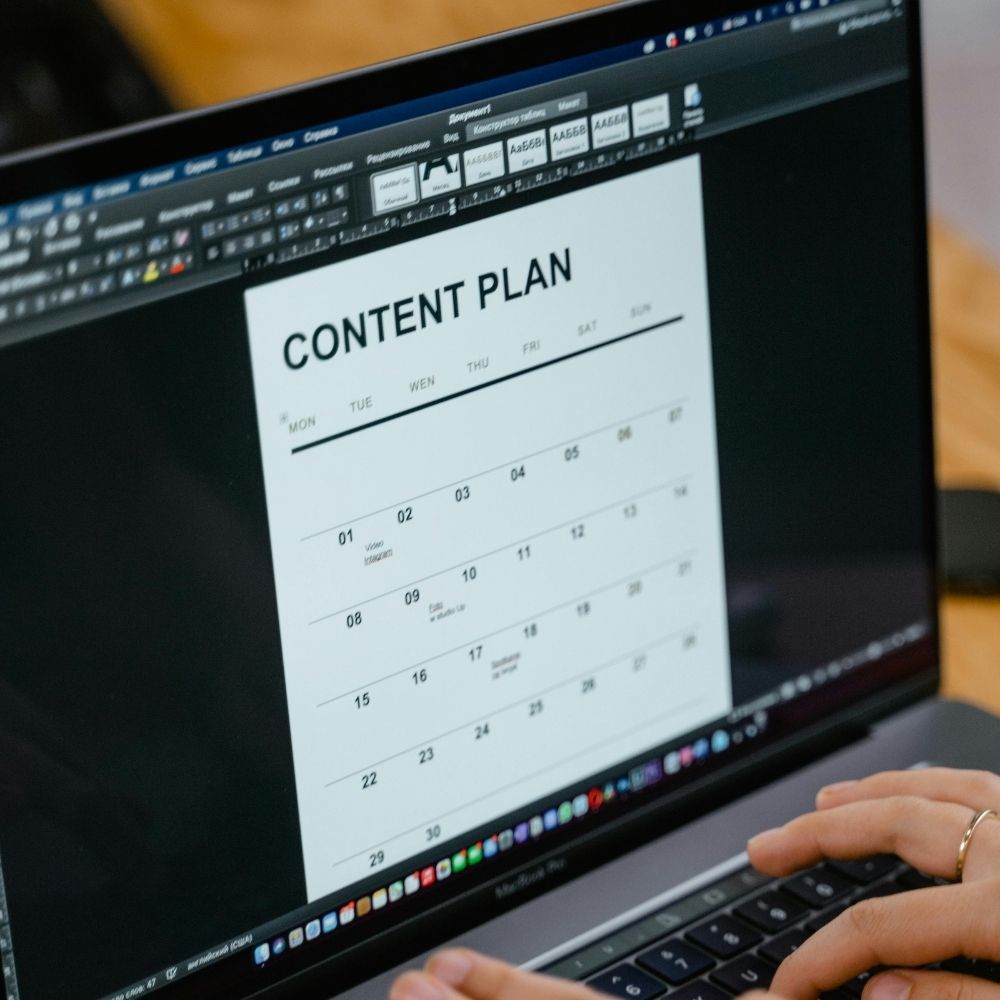
Focusing your efforts like this lets you create targeted promotions that perform much better than just posting everywhere randomly.
5. Email Marketing – a Must
No matter what you sell or do, the key is to have an email marketing campaign.
Create a freebie, or grab mine (it’s done and you can reuse it for your own business), and give it away in exchange for people’s emails.
Email marketing is the only platform you truly control. Algorithms change, but your email list stays yours. That’s why it’s the most reliable way to reach your audience.
Whenever you launch something new, email your list and let them know. They are your loyal fans, and they’re more likely to be your first purchasers.
6. Post-Launch Strategy
- Follow-Up Campaigns – retargeting ads, email updates, daily Pinterest pins, weekly blogs, etc.
- Performance Analysis – check what’s working and what’s not, and learn from it.
- Scaling Up – plan ongoing marketing to keep the momentum going.
Marketing Quiz
Test your knowledge on product launch strategies!
7. Tools and Resources
Here are the tools based on the platforms I recommend using, what I use myself, and the metrics I use to analyze data:
- Pinterest Analytics: Check outbound clicks—this is the metric that actually makes you money. If you’re a total Pinterest beginner, I recommend reading a few of my blogs about Pinterest and how to use it strategically as part of your promotion plan.
- Email Campaigns: I use Kit. I also blog on Substack, and Substack is also an email provider. Both of them are free.
- Website Tracking: Use Google Search Console and Google Analytics to track your visitors and other important metrics.
- Repurposing Content for Social Media: If you decide to use other social media platforms and want to quickly repurpose content, I recommend Repurpose.io so you don’t have to manually post everywhere.
Launch Strategy Conclusion
- Know Your Product & Audience – Understand what makes your product special and who will buy it.
- Set Clear Goals – Decide what success looks like and track progress.
- Focus on 1–2 Channels – Pick a few platforms and master them first.
- Engage on Launch Day – Share your product on key platforms and in communities.
- Use Email Marketing – Build a list and tell your audience about your launch.
- Follow Up & Learn – Review what worked and improve.
- Start Small & Take Action – Pick one step to start today, dedicate time to learning, and over time you’ll see real progress in your product launch.
Have a wonderful day, and I’ll see you next week,
Gabi. <3