Some of the links on this page may be affiliate links, which means I may earn a small commission if you purchase through them, at no extra cost to you.
What’s better: 100 sales at $10 or 1 sale at $1,000?
In the digital product world, smart sellers do both.
They start with low-cost products to build trust and make easy sales. Then, they turn those buyers into high-paying customers over time.
In this guide, you’ll learn what low-ticket digital products are, see real examples, and discover how small sales can lead to big income.
What Are Low Ticket Digital Products? (And Why Beginners Love Them)
Low-ticket digital products usually cost between $7 and $47. They’re made for quick impulse buys. No sales calls, no lengthy sales pages, no unnecessary waiting. Someone sees the product, wants it, and buys it in less than 60 seconds.
This price range is great for beginners because it’s:
- Lower risk to create and launch
- Easier to get your first sale without a big audience
- A simple way to practice rebranding PLR products
- Great for growing your email list fast because the price feels affordable
But the goal of a low-ticket product isn’t just to make a quick $9 sale. The real goal is to start building trust with a buyer.
But before you dive in, you might be wondering if this business model is actually legit. I answer that honestly here. And if you don’t want to create everything from scratch, you can rebrand proven PLR products instead. Read this guide on how to rebrand PLR products fast so your product looks premium and ready to sell.
Low Ticket Digital Product Examples and Price Points
1. Low Ticket Digital Products: $7-$15 range
Great examples at this price range include:
- Short Pinterest strategy guides
- Single Canva templates
- 1-page checklists
- Etsy SEO checklists

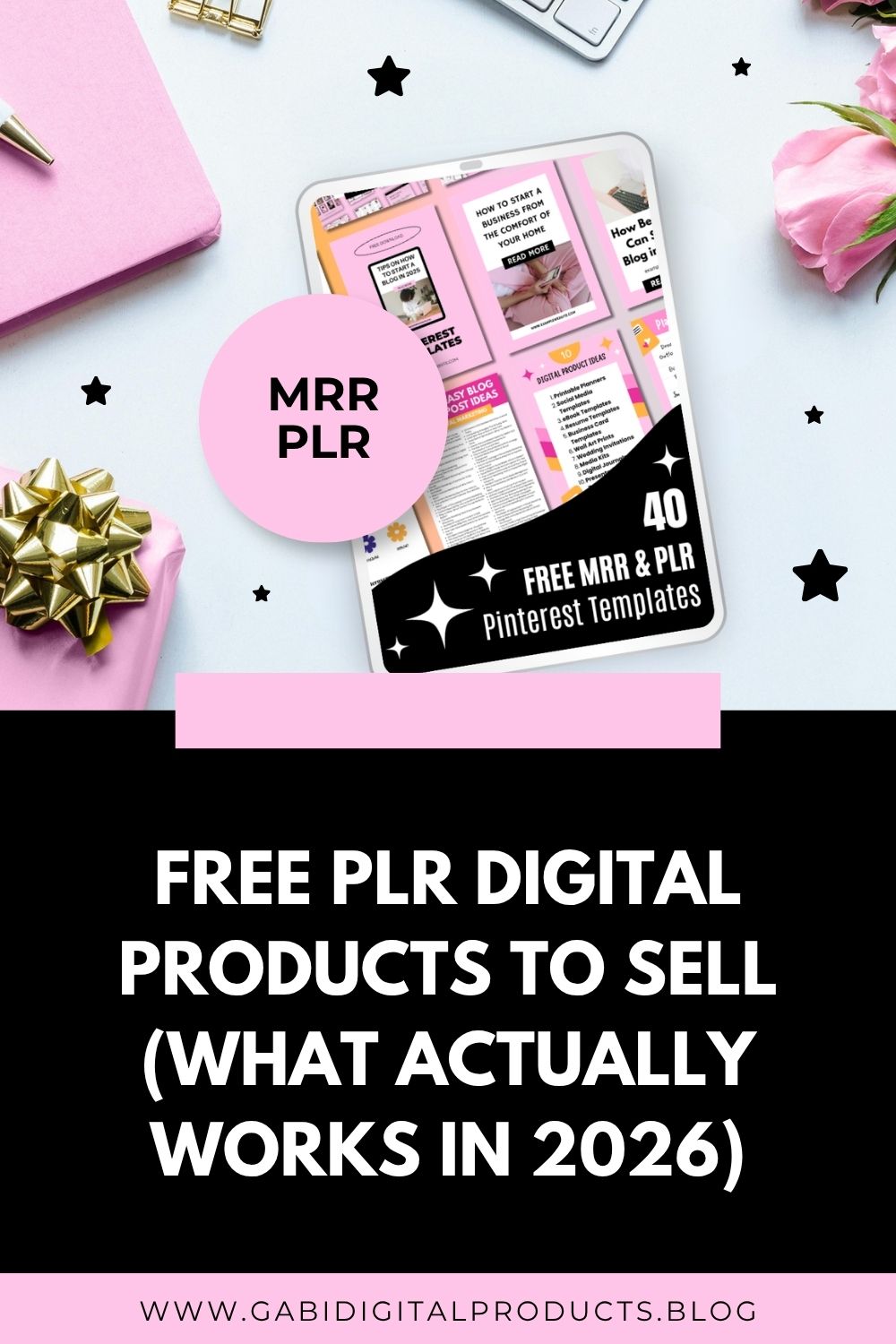
A great example is this product (see image above). I’m giving it away completely free with MRR and PLR resell rights, just like everything else in my shop.
I made it in a couple of hours, then continued improving it over the next few weeks by adding more information and making it better.
People are already downloading and using it, which shows there’s real demand for it. I could easily sell it as a low-ticket product, but instead, I decided to use it as a freebie to grow my email list and attract new buyers.
And now, you can grab it too and start using it for your own business. 🙂
2. Low Ticket Digital Products: $17-$27 range
These products take more time and skill to create, but you only make them once and can keep selling them on autopilot with no inventory or shipping.
Examples include:
- Niche content calendars
- Social media template bundles
- Digital planners
- Faceless reels packs

For the customer, they solve a very specific problem:
- Saves them hours of work
- Helps them stay consistent online
- Makes their business look more professional
- Removes the stress of designing everything from a blank page
At that price, it feels like an easy no-brainer purchase instead of a big financial decision.
For that reason, these are the types of products that are always in high demand and sell very well for me, but they also take time to create, as I said.
From my experience, you also need to be good at the platform you’re designing for. If the templates look great but aren’t designed using best practices, people won’t buy them.
And trust me, buyers know what a good template for that platform looks like. They use these platforms every day, so they can quickly tell the difference between a template that’s just pretty and one that actually works for them.
3. Low Ticket Digital Products: $30-$47 range
Products like mini PLR bundles, editing packs, branding kits, and niche-specific template collections.
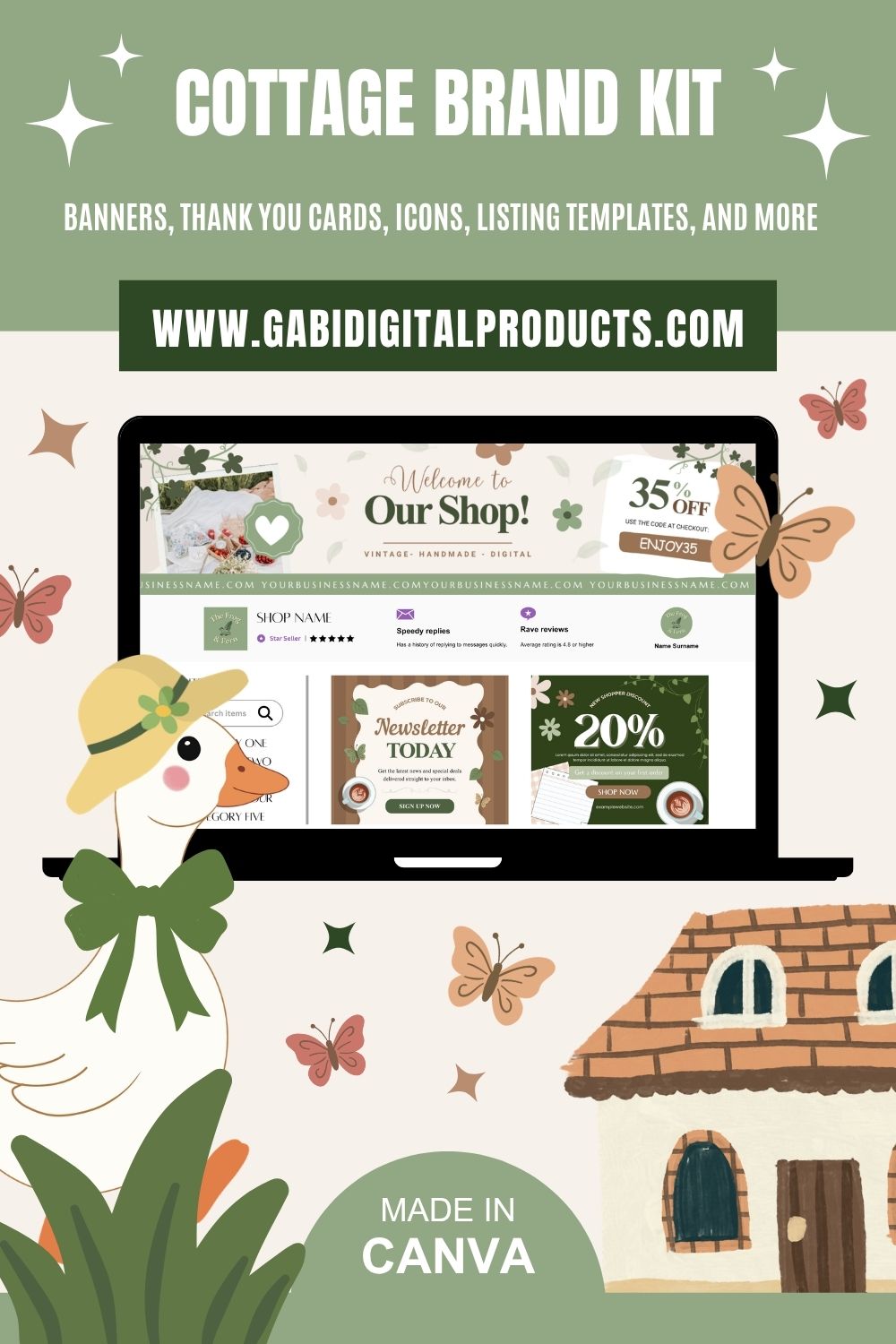
These ones are priced higher because they take much longer to create.
For example, the product you see above took about a week to design (rough estimate, I can’t pinpoint the exact timing). Thank you cards alone took a full day because there are 24 of them. Banners took about a day and a half since they were more complex, receipt banners another day, listing templates around 2–3 days, and shop icons about a day.
That’s what explains the higher price and why people still buy them.
Unlike website templates, you don’t need deep website design or technical skills to create them.
You can still earn a solid income in the middle range, without needing to build complex sites or have advanced coding/design knowledge like web designers do.
You just need to be willing to put in the time to create a high-quality product that saves beginners hours of work.
Why Low Ticket Products Alone Won’t Replace Your Income
Low-ticket is a great starting point, but the math gets harder if it’s your only offer.
Let’s break it down:
If you sell a $17 Canva template bundle and want to make $2,000 a month, you need about 118 sales. That requires steady traffic, consistent content, and strong Pinterest reach.
That doesn’t mean low-ticket is bad. It just means it’s the starting point, not the end goal.
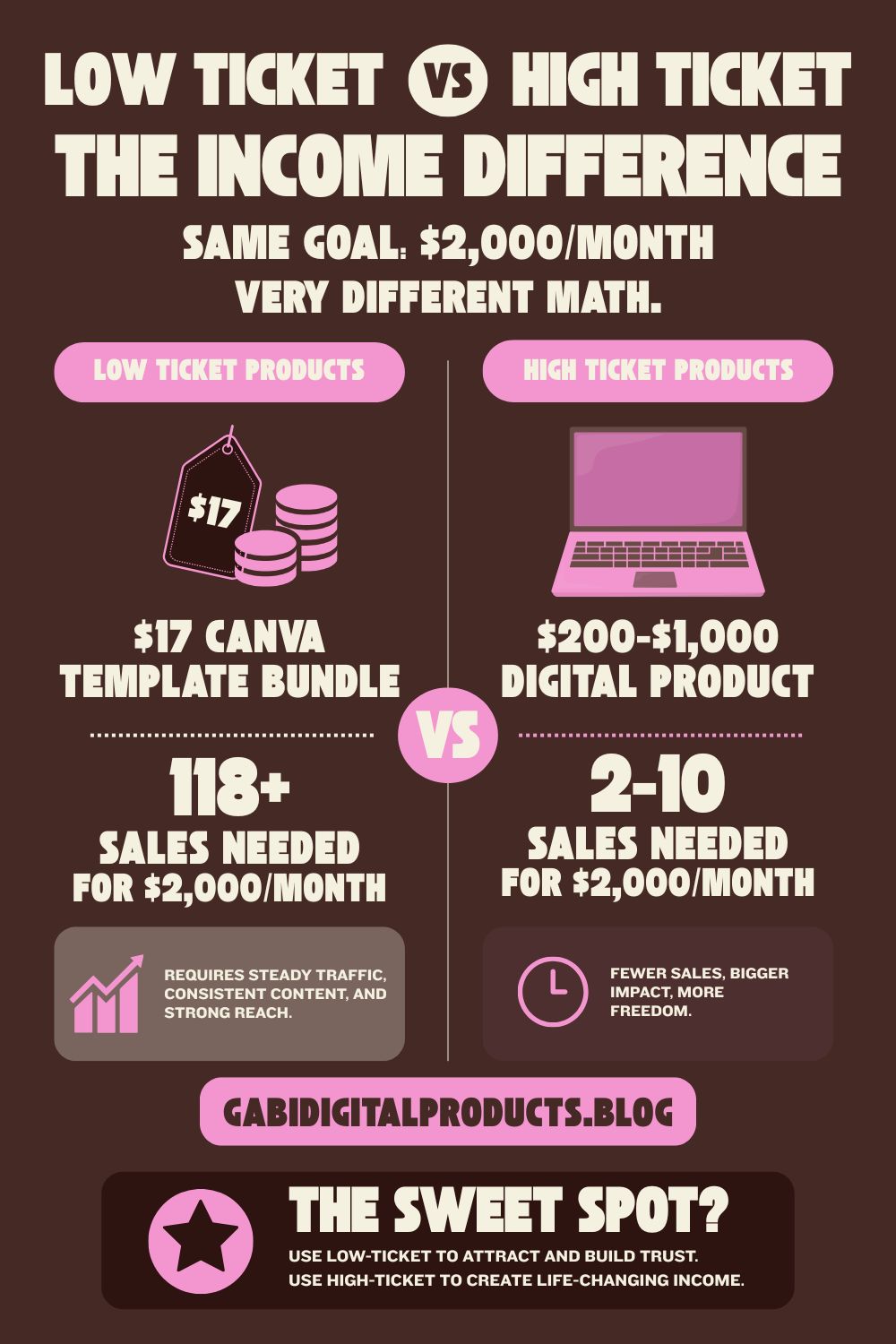
That’s why most successful sellers use both low-ticket and high-ticket digital products together.
The Value Ladder Strategy – How to Turn a $9 Buyer Into a $297 Customer
What is a Product Ladder Strategy?
It’s a sequence of offers that takes a buyer from a small purchase to a higher-ticket offer naturally, because they’ve already experienced your value.
Step 1 – The Tripwire (Low Ticket)
Your reader finds your $9 “Google SEO Checklist for Digital Product Shops” or a freebie. It is a no-brainer offer. They either buy it in under 30 seconds or download it instantly for free.
Step 2 – The Nurture
The checklist actually helps them and teaches them something new. They join your email list and start following you on Instagram or Pinterest. They begin to trust you.
You stay consistent by sharing value:
- Quick tips
- Simple strategies
- Behind the scenes content
This builds familiarity and trust over time.
The Upsell (Higher Ticket)
A few weeks later, you introduce your $297 “Complete Website Launch System”.
It is a full bundle with done for you digital products, templates, and resources they can use or resell.
It also helps them organize and expand their website with more content and products and fill out their subcategory pages. This boosts the site’s rankings and increases visibility over time because search engines prefer when you offer more products and content in subcategory pages and structure them into hubs. Thin or empty websites usually struggle to rank.
So they learn the basics of how to rank on Google, and then you give them the tools that can be ranked. 🙂
At this point, they don’t think twice because you’ve already helped them learn the skills they can use for years across every platform. They trust you, and then you create another problem that needs to be solved.
That $9 sale didn’t just stay $9, it turned into a $297 customer.
You didn’t need to convince them. The low ticket product did that for you.
Not sure what product to start with? Read my guide on how to choose the right digital product to sell.
When to Add a Higher Ticket Offer (And When You’re Not Ready Yet)
If you’re a beginner, start with low ticket only:
- You are still learning how to rebrand and package PLR
- You don’t have social proof or reviews yet
- Low ticket lets you get real buyers and real feedback with low pressure
If you’ve made your first 10–20 sales, you’re ready to think about moving up:
- You have proof your products help people
- You have an email list starting to grow
- You understand what your audience actually wants to buy
The move to higher ticket is not about charging more for the same thing. It’s about creating a more complete and more valuable offer, like a full “business in a box” system or a done for you bundle with PLR rights included.
You can explore examples here: PLR and MRR collection page
Common Pricing Mistakes That Keep Digital Sellers Stuck
Mistake 1 – The Race to The Bottom
Pricing everything at $1 or $3 because you see others doing it and think cheap equals more sales. It doesn’t. It signals low quality and attracts buyers who leave bad reviews or demand refunds. Price for the value you deliver, not for what the cheapest competitor charges.
Mistake 2 – The Generic Gap
Trying to charge $197 for unedited, straight-out-of-the-pack PLR with no rebranding, no customization, no added value. High ticket prices require high ticket transformation. If you want to charge premium, your product needs to look and feel premium.
This is exactly why rebranding matters before you price anything!
Mistake 3 – Waiting Until It’s Perfect
Spending 3 months tweaking a $17 product that should have launched in week 1. Done beats perfect every time in digital products. Launch it, get feedback, improve it.
Start Simple, then Scale
The best low ticket digital product strategy is the one you actually start.
Begin with one simple product, get your first sales, and learn from real customers. Then you can slowly build higher ticket offers as your skills and audience grow.
You don’t need a perfect system on day one. You just need a real product in front of real people.
Start small, stay consistent, and let your products grow with you.
See exactly what a launch-ready low ticket product looks like.

Have an awesome day, and until next time, Gabi. ❤️