Some of the links on this page may be affiliate links, which means I may earn a small commission if you purchase through them, at no extra cost to you.
What’s better: 100 sales at $10 or 1 sale at $1,000?
In the digital product world, smart sellers know there’s room for both.
They often start with affordable, low-ticket products to build trust, attract new buyers, and generate quick sales. Over time, those customers can become high-paying buyers of more valuable offers.
In this guide, we’ll explore Low Ticket Digital Product Ideas Reddit users are actually talking about, what makes these products appealing to buyers, and how small digital sales can grow into a profitable business.
Low Ticket Digital Product Ideas from Reddit: What They Are (And Why Beginners Love Them)
Low-ticket digital products usually cost between $7 and $47. They’re made for quick impulse buys. Someone sees the product, wants it, and buys it in less than 60 seconds.
This price range is great for beginners because it’s:
- Lower risk to create and launch
- Easier to get your first sale without a big audience
- A simple way to practice rebranding PLR products
- Great for growing your email list fast because the price feels affordable
But the goal of a low-ticket product isn’t just to make a quick $9 sale. The real goal is to start building trust with a buyer.
Not sure if this business model is legit? I answer that honestly here. And if you don’t want to create everything from scratch, you can rebrand proven PLR products instead. Read this guide on how to rebrand PLR products fast so your product looks premium and ready to sell.
Low Ticket Digital Product Ideas People Are Actually Talking About on Reddit
Look through r/sidehustle, r/passive_income, and r/digitalproductselling, and you’ll see the same thing again and again: simple products made for a specific niche sell better.
A basic “budget spreadsheet” has lots of competition. But a “budget spreadsheet for home bakeries” targets a clear niche with less competition.
Here are some ideas that come up often:
- Small business spreadsheets – Instead of a basic budget sheet, make one for a specific niche, such as home bakeries or service businesses.
- Social media templates – Create Instagram or Pinterest templates for one type of job, such as mortgage advisors or real estate agents.
- Planners and journals – Think of a planner for co-parents, a goal tracker for busy moms, or a daily journal for people who work from home.
- Creative toolkits – These can include Procreate tools, digital journal kits, or other creative packs made for a specific niche.
The main idea is simple: being specific works better than trying to help everyone. A product that solves one clear problem for one specific niche is often easier to sell than a product made for everyone.
Here’s how these ideas can look at different price points:
$7-$15 range
Short Pinterest strategy guides, single Canva templates, 1-page checklists, Etsy SEO checklists.

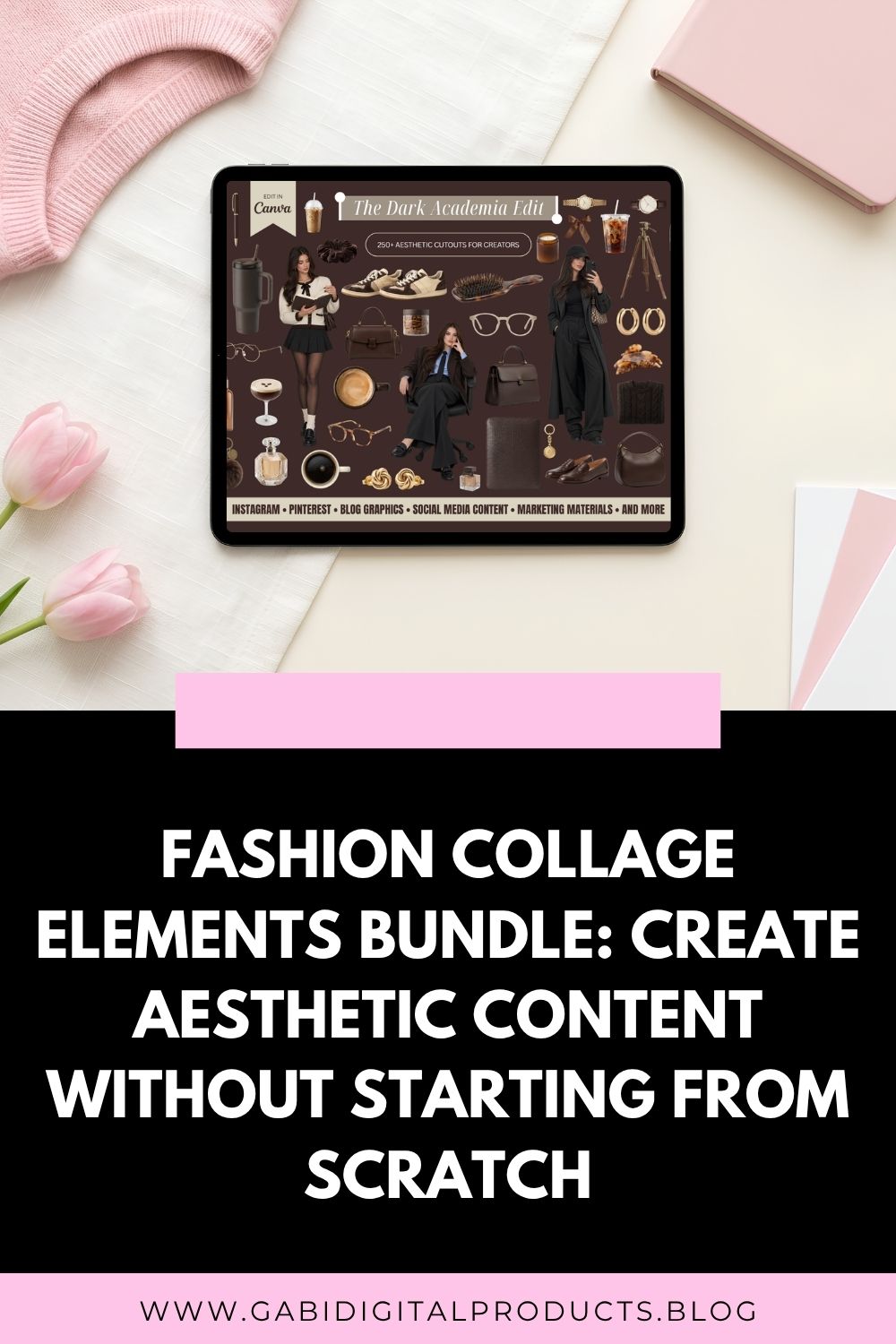
A good example of this tier is my Stock Photos for TPT Sellers bundle, priced at €7.34. It’s a collection of ready-to-use images for TPT listings, product previews, and social media, built to solve one specific problem (looking polished and cohesive) without requiring the buyer to have any design skills.
It comes with full MRR & PLR resell rights, so buyers can also rebrand and resell it themselves, which is a big part of why products at this price point convert so easily, there’s very little to think about before hitting buy.
$17-$27 range
Niche content calendars, social media template bundles, digital planners, faceless reels packs.
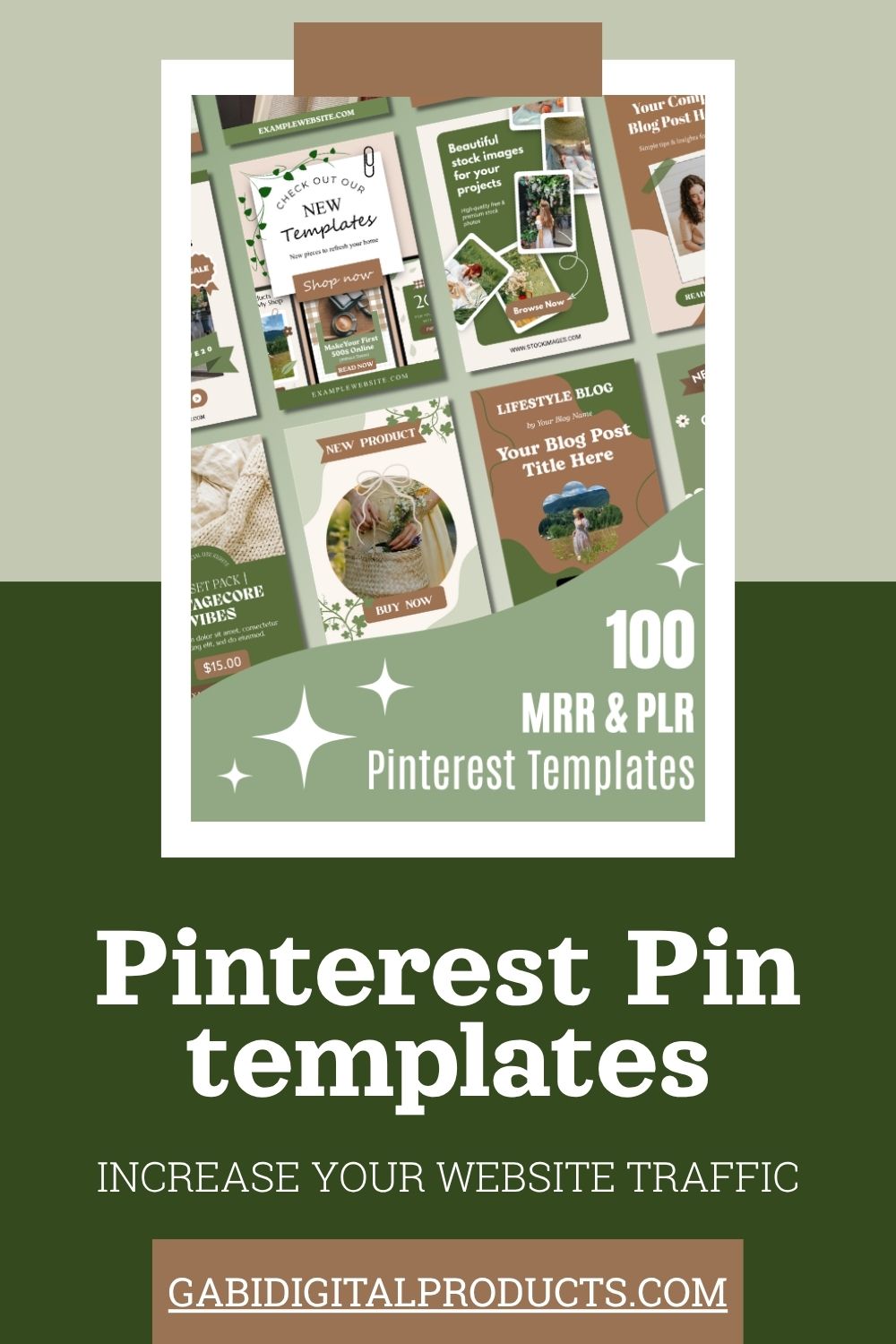
These solve a specific problem well: they save hours, keep buyers consistent online, and make their business look more professional. That’s why they’re consistently among the products in highest demand, but you need to actually know the platform you’re designing for. Buyers can tell the difference between a template that’s pretty and one that works.
$30-$47 range
Mini PLR bundles, branding kits, and niche template collections.
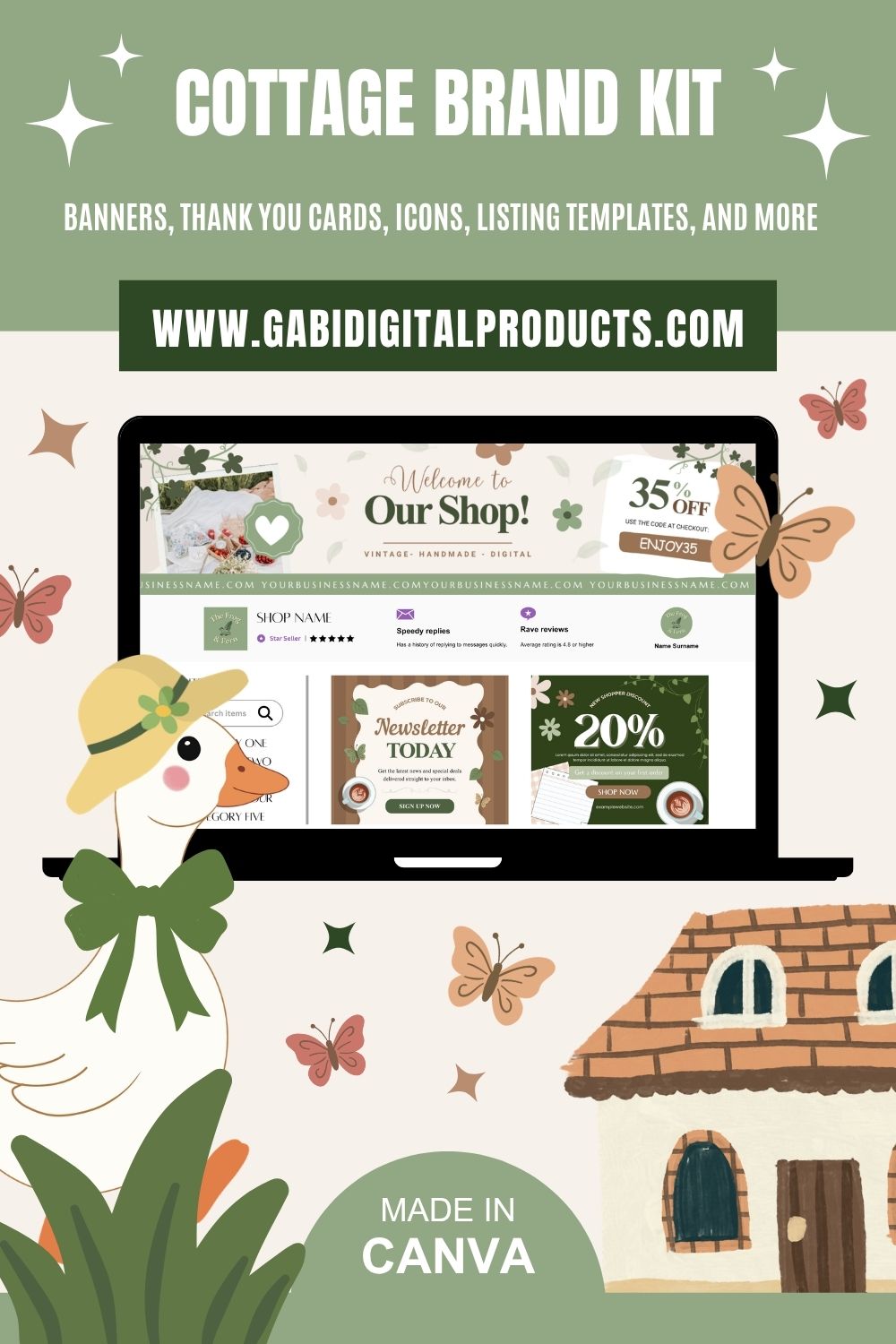
These take longer to build, a full branding kit like the one above took roughly a week between banners, icons, and listing templates, which is what justifies the higher price. You don’t need website or coding skills for this tier, just time and consistency.
Why Low Ticket Products Alone Won’t Replace Your Income
Low-ticket is a great starting point, but the math gets harder if it’s your only offer.
If you sell a $17 Canva template bundle and want $2,000/month, that’s roughly 118 sales, steady traffic, consistent content, strong Pinterest reach required.
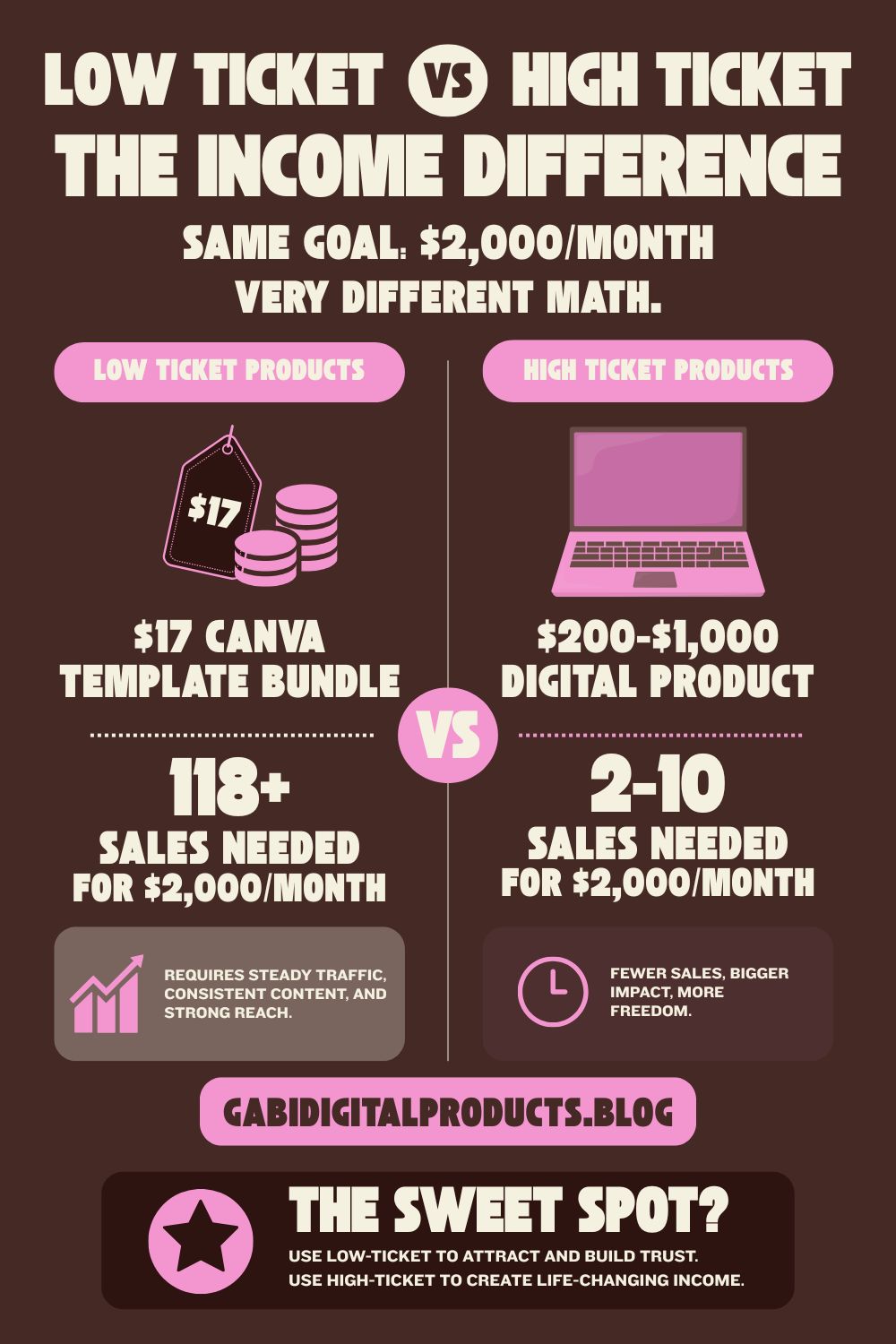
That’s why most successful sellers pair low-ticket products with a higher-ticket offer.
The Value Ladder: Turning a $9 Buyer Into a $297 Customer
It works like this: a reader buys your $7 stock photo bundle or Canva template (the tripwire), a no-brainer, under-30-second purchase decision. It actually helps them, so they join your email list or start following your shop to see what else you offer. You keep showing up with quality products and consistent value, which builds trust over time. If you want to see exactly how to nurture that trust once someone’s on your list, I break it down step by step in my email marketing guide for digital products. A few weeks later, you introduce a $297 “done for you” bundle or full system, and because they’ve already experienced your value firsthand as a paying customer, it’s an easy yes.
That $7 sale didn’t stay $7. It became a $297 customer, and the low-ticket product did the convincing for you.
Not sure what to start with? Read my guide on how to choose the right digital product to sell.
When to add a higher-ticket offer: if you’re still learning to rebrand PLR and don’t have reviews yet, stay low-ticket only, get real buyers and real feedback first. Once you’ve made 10-20 sales and understand what your audience actually wants, that’s your signal to build a more complete offer, like a done-for-you bundle with PLR rights. See examples on the PLR and MRR collection page.
The Biggest Pricing Mistake to Avoid
Don’t race to the bottom by pricing everything at $1-$3 because others do. It signals low quality and attracts buyers who leave bad reviews or demand refunds, price for the value you deliver, not the cheapest competitor’s price. On the flip side, don’t charge premium prices for unedited, straight-out-of-the-pack PLR with no rebranding, rebranding is what makes a high-ticket price feel justified.
Start Simple, Then Scale
The best low-ticket digital product strategy is the one you actually start. Look at what other sellers are doing, especially niche trackers, specific templates, and ideas that people already want. Pick one simple product, make it, and try to get your first sales. Listen to your customers and use what you learn to make better products. As your skills and audience grow, you can start adding higher-priced offers.
Have an awesome day, and until next time, Gabi. ❤️