If you’ve typed “where can I buy MRR products” into Google or ChatGPT, you’ve probably seen many of the same recommendations repeated. A few PLR marketplaces, a directory site, or maybe an Etsy suggestion. What those lists don’t explain is why most products you find are a waste of money, and what to look for instead.
I’ve been in this space for two years. I’ve sold hundreds of MRR/PLR products on Etsy with a 5.0 rating. I now run my own store and blog full-time. Instead of another generic roundup, I’m sharing what I’ve actually learned about where the good stuff is, and where it isn’t.
How I got into this (and why it matters for what I’m about to tell you)
I didn’t start as a “digital marketer.” My background was actually running a gaming YouTube channel with 30k+ subscribers. Two years ago, I decided to try something new and opened an Etsy shop. After researching what was already selling in the MRR/PLR space, I created my own version with a stronger design and a better customer focus. That listing quickly gained traction. That one product alone generated 63 sales and around €290 in Etsy revenue.
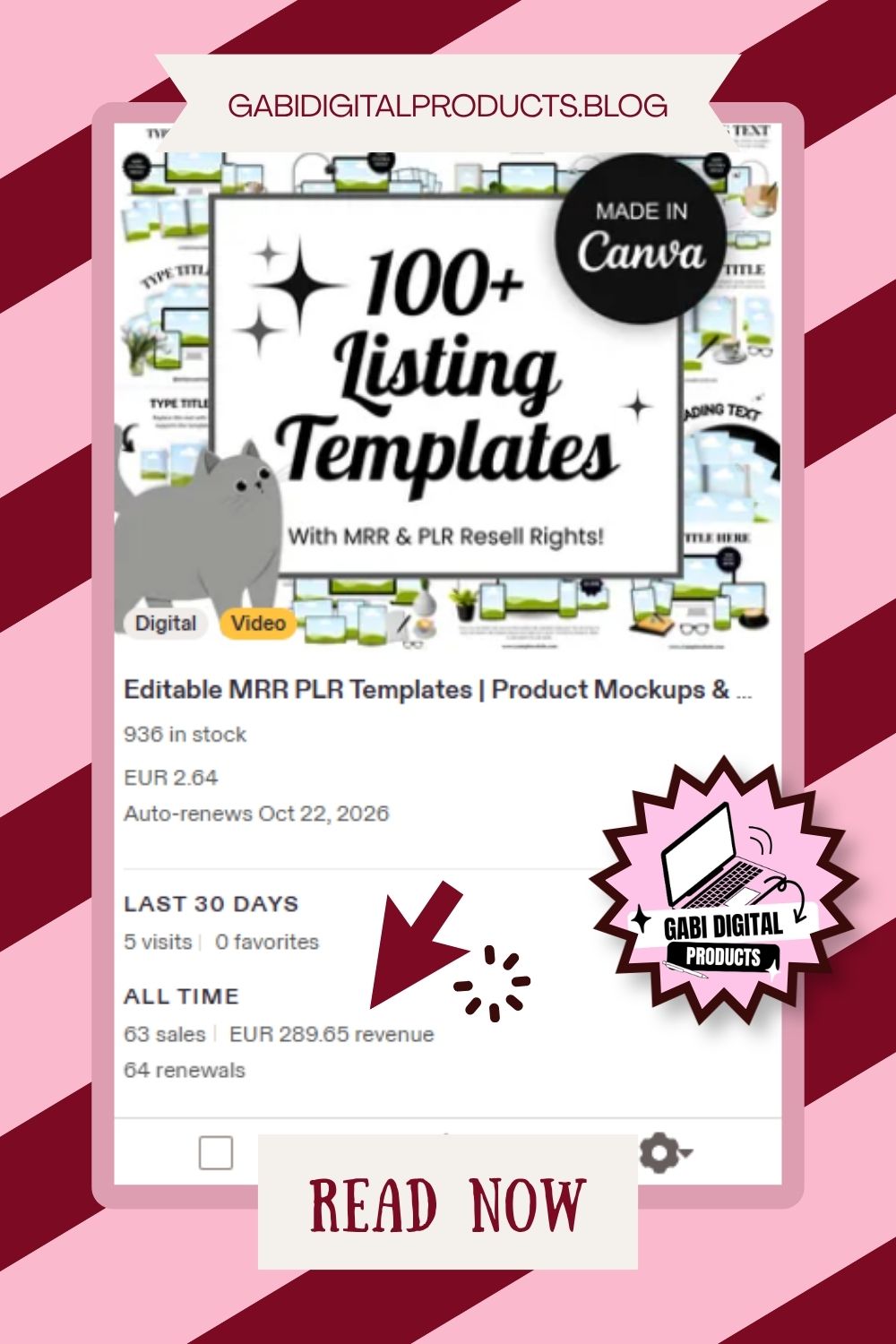
That shop has maintained a 5.0 rating over two years. I’ve since moved most of my focus to my own site, gabidigitalproducts.com, where I sell more detailed, original designs directly.
I’m telling you this because it’s why I don’t recommend buying MRR products like most “buy MRR products” lists suggest.
The honest problem with most MRR marketplaces
If you search Etsy bestseller lists for MRR/PLR products, you’ll find bundles like “1000+ products for $2.” Many contain generic, outdated, or low-quality content, and some may even include content that raises licensing concerns. It looks like a deal. It often isn’t the deal it appears to be.
Here’s the part nobody explains: marketplaces like Etsy rank listings using data. Sales history, reviews, and click-through rates all matter. If you buy a bestseller bundle and relist the exact same product, you start from zero. You’re competing against a listing with months or years of trust behind it.
To compete with the bestseller, sellers lower their prices. First to $2, then $1.70, then $1.50. The next seller undercuts them again. Nobody wins that race, profits shrink, and the market becomes harder for everyone.
So where does that leave you?
Where to Buy MRR Products: Finding Quality Options
The better strategy is not copying what already sells, but creating something that brings a new angle to the market.
Marketplaces reward listings with history. They look at things like sales, reviews, and customer behavior. If you buy a bestseller bundle and upload the exact same product, you’re starting from zero against a listing that already has years of data behind it.
A better approach is to find creators who sell MRR/PLR products and use those products as a foundation. Take the idea, improve it, and create something that brings a new angle to the market.
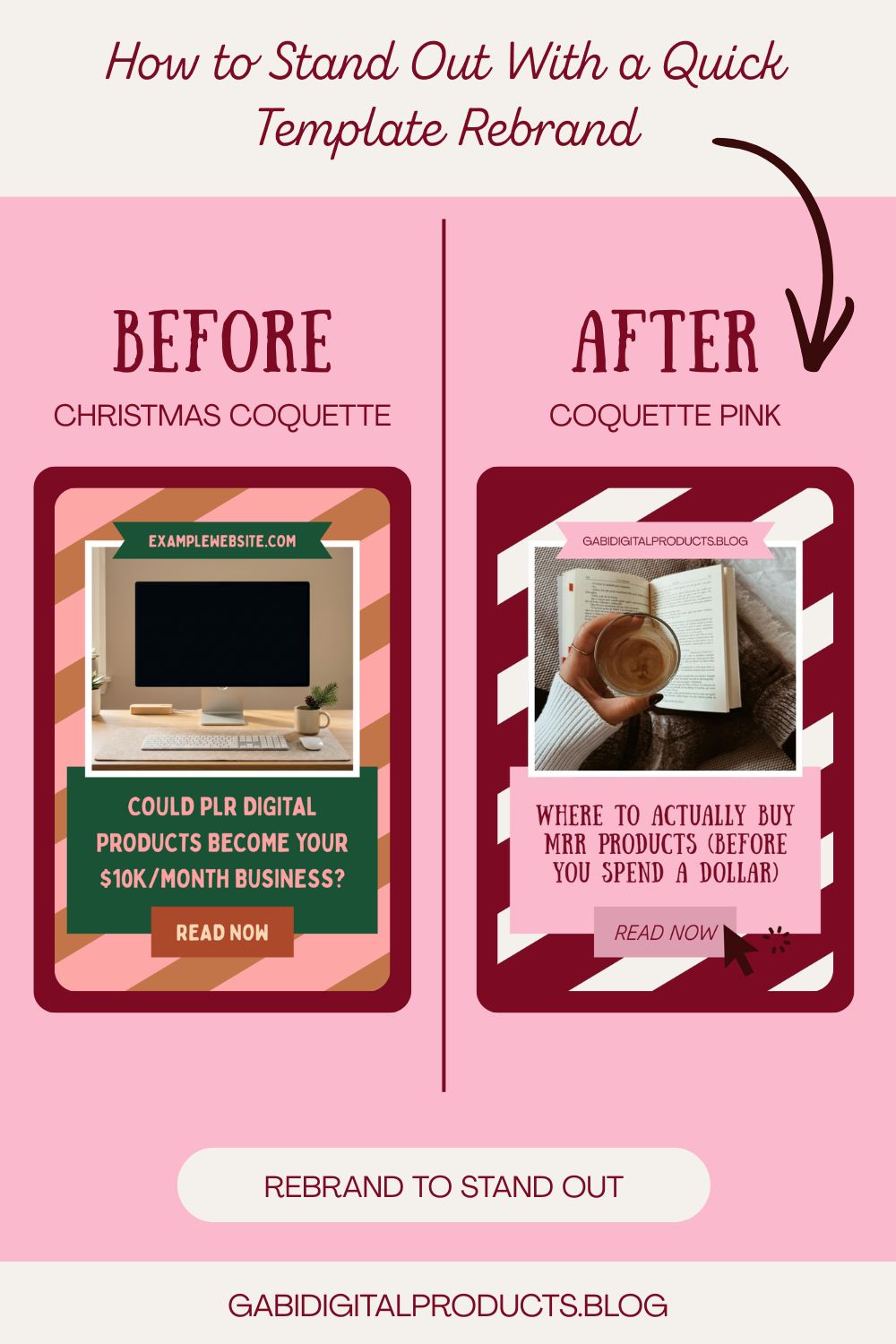
For example, a template bundle might have a cottagecore design style. Instead of uploading the same product and competing for the same buyer, you could transform it into a coquette style, target a different audience, research relevant keywords with demand, and position it around a different trend.
Now you’re not fighting for the same customer. You avoid competing on price against a bestseller that already has years of sales data and customer trust behind it.
What to actually do with an MRR/PLR product once you have one
This is the part most guides skip, and it’s where many buyers go wrong.
Don’t take a bestseller and upload the exact same product. That’s how you end up competing with hundreds of identical listings.
Instead:
- Rebrand and customize the product for your own audience. If the original has a cottagecore style, transform it into a coquette, dark academia, bookstagram, or another relevant trend. If you’re unsure which styles are gaining attention, check out my 2026 graphic design trends guide for Etsy sellers.
- Use your own keywords, branding, and positioning instead of copying the original listing.
- Choose the best license strategy for your business. Depending on the rights included, you may sell it with MRR, PLR, or offer it under a different usage model.
The goal is simple: don’t enter a marketplace selling the same thing as everyone else.
That doesn’t mean you can’t resell MRR. You absolutely can if the creator allows it and the license gives you those rights. The problem isn’t reselling MRR, it’s uploading the exact same product as everyone else and competing for the same buyer while sellers undercut each other on price.
A smarter approach is to use MRR/PLR as a foundation. Improve the product, adapt it for a specific audience, create a new angle, and bring something different to the market.
What MRR and PLR licenses actually mean (plain English)
This trips up almost every buyer, so here’s the short version:
- PLR (Private Label Rights) — you can modify the content, customize it, and use it under your own brand, depending on the license terms.
- MRR (Master Resell Rights) — you can resell the product as-is and keep 100% of the profit, with no royalties owed.
If you want a deeper explanation, I break down what PLR and MRR licenses mean and how they differ in my complete guide to both.
Most sellers only offer one or the other. I offer both on every product, giving buyers the flexibility to either resell products as-is or fully rebrand them, depending on what works best for them.
One important line applies to every seller, including me: your license covers the product itself, not the seller’s website content, listing photos, descriptions, branding, or marketing materials. Those remain the original creator’s property. You’re only buying the rights to use the product according to the license terms.
If a seller can’t explain their license clearly, that’s a red flag before you buy.
Who this is actually for
Many buyers who use my products are Etsy sellers, Shopify store owners, Gumroad and Payhip sellers, and content creators who want to build something more intentional than simply listing another generic $2 product.
The most common question I get isn’t about price, it’s “can I really resell this?” Many people associate PLR/MRR with generic, repetitive templates that all look the same. That’s why they’re surprised when they find products that feel genuinely unique while still including resale and rebranding rights.
What’s next
My most recent launches, Halloween Coquette and Christmas Coquette collections, follow this same process: research what’s trending, design it from scratch in Canva, and build it so it’s easy to rebrand again into your own style. I also share free templates and rebranding tutorials for anyone who wants to see the process before buying.
If you’re going to buy MRR or PLR products, the real question isn’t “where’s the cheapest bundle?” It’s “whose work is actually worth building a business on?” That’s the gap I saw in the market, and it’s the reason I started creating my own MRR and PLR products.
Explore my free digital product templates and other resources on the blog and freebies page.