This post contains affiliate links. As an Amazon Associate I earn from qualifying purchases. I may also earn commissions from other affiliate programs at no extra cost to you. Please read full disclosure for more information.
Many people are scared of email marketing for digital products. I used to feel the same way.
I avoided it for years, and it cost me time and money.
I do not want you to make that same mistake. In 2026, email is more important than ever. Let me explain.
Why You Need Email Marketing More Than Ever
First, the biggest and most obvious reason is AI. You may think AI will not affect you or your business because people will still want human connection, but that is not true.
AI content is flooding the market at an insane speed. This does not mean your content will never get seen, but it does mean it will be seen less and less over time.
When you get warm customers onto your email list, you build a loyal group of people who want to hear from you. No matter how crowded the market gets, you can reach them at any moment, and they will see what you have to say.
Second, every platform is trying to keep people on the site longer. That means if you try to promote your products or services by sending people off the platform, your content will get shown less. You are not helping the platform make money, so they push your content down. The solution is simple. You need to grow an email list.
I could talk about this all day, but here is one more very important point. Platforms often suspend accounts by mistake, even when you did nothing wrong. Or you might break a rule by accident, and your account can get shut down. If you do not have an email list, everything you built can disappear in a second. And you will have to start over, only because you chose to ignore email marketing.

In this day and age, there shouldn’t be any more questions about whether you should use email marketing for digital products or not.
Where to Start?
You probably know that to get people on your email list, you need to offer something valuable. Chances are, you have joined other people’s email lists for the same reason.
But today, people are getting bombarded with freebies left and right. You are not going to impress anyone with a low-effort freebie.
Your freebie must be so good that you would actually charge for it.

For example, before I started my digital product website, I was only selling on Etsy. On Etsy, I was doing really well with Pinterest templates.
So when I started my website and email list, I created 40 free Pinterest templates along with other templates to get people onto my list. I was targeting people who also sell digital products or are at least interested in promoting on Pinterest, just like me.
And people started joining. But it took time. At first, I made a content planning template and some shortcuts, and almost no one joined.
Then I created those 40 Pinterest templates, which took quite a bit of work, and people started joining. This shows that you really need to create something valuable that takes time to make. Otherwise, no one will sign up.
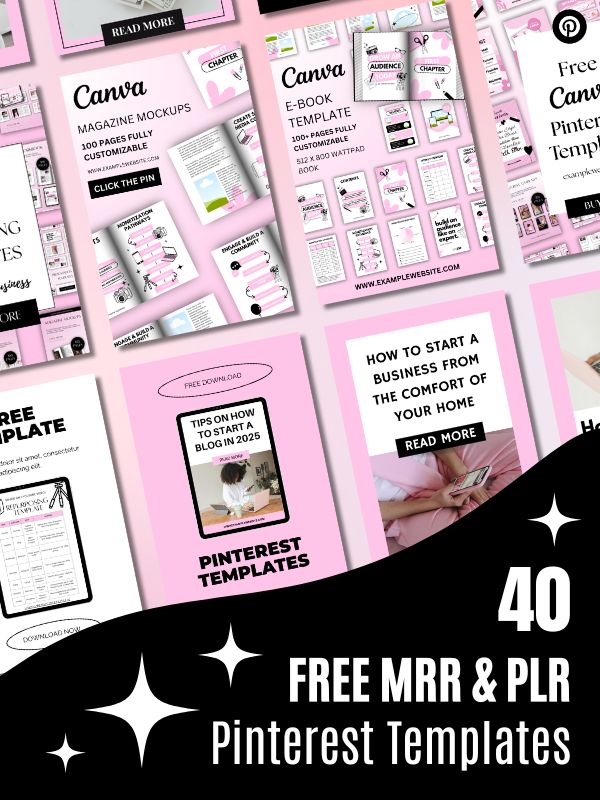
So take the time to make something your audience will love and would happily pay for, then give it away for free. Also, keep testing and tweaking your thumbnails to see what works best. And don’t forget to promote on Pinterest.
Which Platform Should You Choose?
I will save you some time and say this – go with Kit (formerly ConvertKit).
It’s free, very easy to use, and a wonderful tool to get started with. They have lots of templates and helpful tutorials on how to deliver your freebie, choose the right landing page, and more.
For my email domain, I went with Porkbun, which is also very affordable for beginner digital product sellers.
Of course, you can use other options, but most of them are paid and have their own pros and cons. In the beginning, I think Kit is really your best choice.
What to Write in Your Emails?
Listen, I am not pretending that I am an expert. I am still a newbie too, okay? 😅🤷♀️
But I am learning, and from my point of view, you should never just get people on your list and start bombarding them with emails to buy your stuff unless you want all of them to unsubscribe, which I suppose you do not.
To give people value and keep them in your circle, try to follow this sequence:
- Lead Magnet. This is your digital product that you are giving away for free in exchange for their email.
- Welcome Email. Introduce your product or the transformation you offer. You could introduce your business, but if people signed up for your list, they already know what you do. So your emails should focus on providing value, explaining the freebie, and helping your audience, not just talking about your business.
- Nurture Email. Create a couple of emails in advance. You can share what platforms you use to sell your products, how you promote them, how you choose what digital products to sell, and more. Keep each email short, concise, and to the point, but deliver as much value as you can. Make sure the content matches the type of digital product you are going to pitch in the final email.

Don’t forget to add a visual (one is enough), add emojis for readability (try to pick some brand emojis that you will use all the time and stick to them), and read copywriting books (because it is a science, and AI is still far from helping you write copy that sells).
What to Sell When Doing Email Marketing for Digital Products
While this really depends on the niche you are in, when doing email marketing for digital products, you can sell:
- Templates (social media templates, content planning templates, etc.)
- Mini-courses (mini videos, eBooks, or educational content in any format that they can consume and learn quickly)
- Checklists (for example, SEO checklists for those wanting more organic traffic, fitness checklists, and more)
- Marketing tools (we are living in a world of video, so you could pitch editing packs, visuals for their content like stock images, clipart bundles to make their social media nicer, and more)
- Starter packs (this could be anything from a branding kit to start their own Etsy shop to a guide for building an email list)
- Low-ticket digital products (you can start with any low-ticket product and quickly test whether your audience is interested in that type of product or if you should try something else)
Very Important Things to Know
Make sure you get permission before adding someone to your list, always include an unsubscribe option, and provide your contact info. If you have readers from other countries, check other rules as well.
FAQ: 3 Quick Questions
The 60/40 rule in email marketing means 60% of your emails should provide value (tips, guides, resources) and 40% can be promotional (sales, offers). It keeps your audience engaged and more likely to buy.
To advertise a digital product, focus on email marketing, social media, content marketing, paid ads, and partnerships. Show value, target your audience, and use free resources or lead magnets to attract potential buyers.
To sell a product by email, grab attention with a strong subject, show the problem, present your product as the solution, highlight benefits, add proof, and finish with a clear call to action.
Don’t Know What to Deliver With a Freebie?
Grab my Pinterest pin templates with MRR and PLR commercial rights, add your own spin (or don’t), and give them away for free. Sounds too good to be true? It’s not!