Some people believe SEO is dead and no longer worth paying attention to. But if you’re wondering how to rank a website on Google first page, SEO is still your most powerful tool, if you know how to use it right.
What Is SEO?
SEO stands for Search Engine Optimization. Simply put, it means optimizing your product or content so that when someone types a phrase into a search bar such as Google, Etsy, Pinterest, or YouTube, like “how to get more sales,” your product might appear if you have included those keywords.
Why Do You Need It?
- First, nowadays almost everyone wants to earn online whether by selling products, offering services, or blogging. SEO is what helps bring customers directly to you without paying for ads.
- Second, when used strategically, SEO can build your brand authority by getting your name mentioned across different social channels. For example, I have a website, an Etsy shop called “GabiDigitalProducts,” a Pinterest account with the same name, and a Substack publication. Google and other search engines notice this consistency, which builds trust with your customers and helps boost your presence online.
- Last, SEO is easy to apply, so why not use it if it can improve your results?
How to Use SEO / Where to Use It?
Obviously, as I mentioned, the first thing to focus on is your business name. Choose a name and keep it consistent across your social media, website, and all other platforms.
Next, focus on these key areas:
- Titles
- Competition
- Descriptions
- File names
- Alt image texts (these should always describe the image first and not be used for keyword manipulation)
- And other important sections on your product pages or content
1. Titles
Since I sell MRR and PLR digital products, I’ll use one of my products as an example — Pinterest templates. Imagine I’ve created a new product and need to find a title that can help it rank well on search engines like Google. The first thing I do is go to Google and type “Pinterest templates” to see what suggestions the search engine offers. These suggestions actually reveal what people are searching for most often:
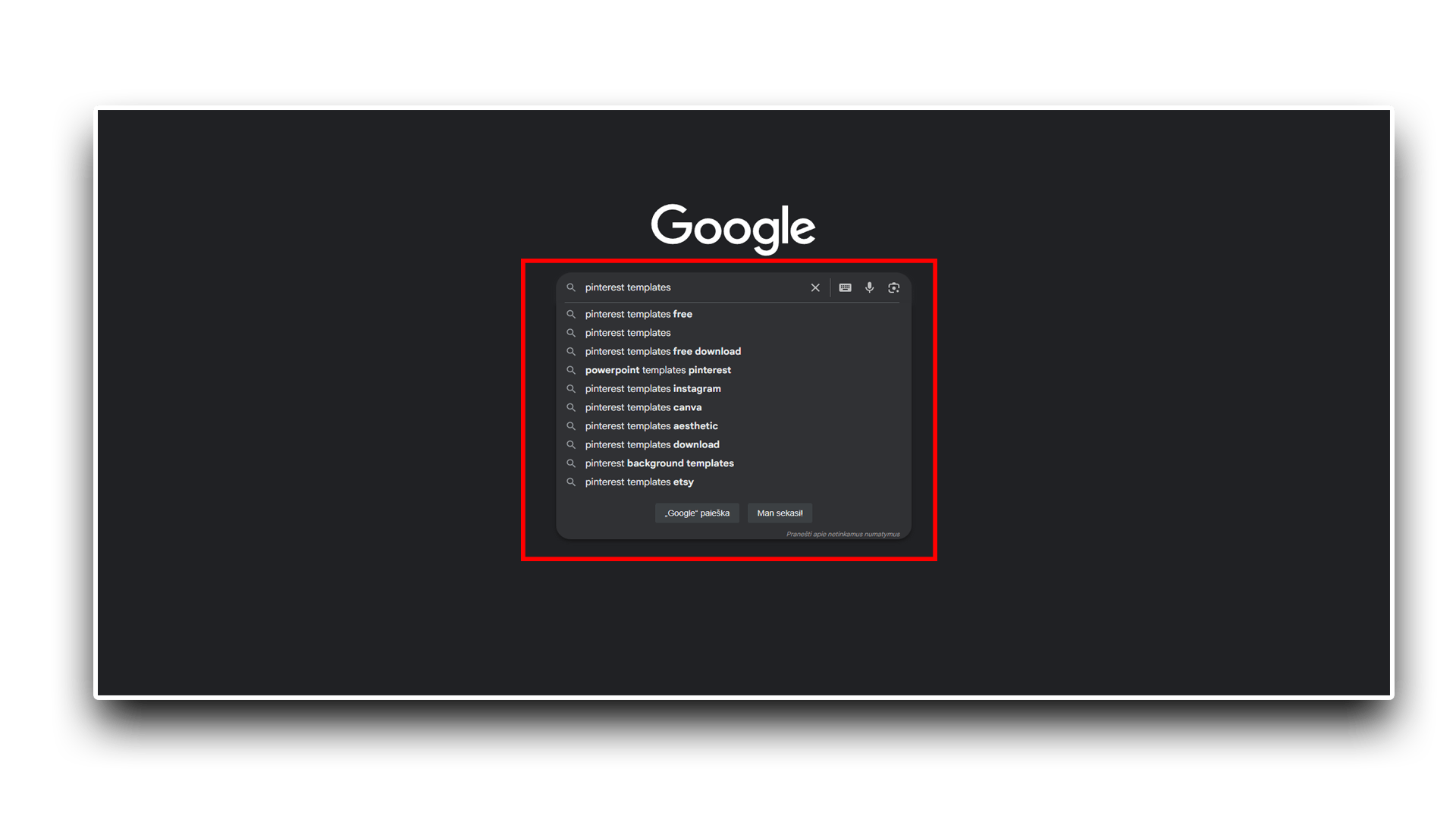
What you can also do is type “Pinterest templates a,” “Pinterest templates b,” and so on to see how Google refines its search suggestions:
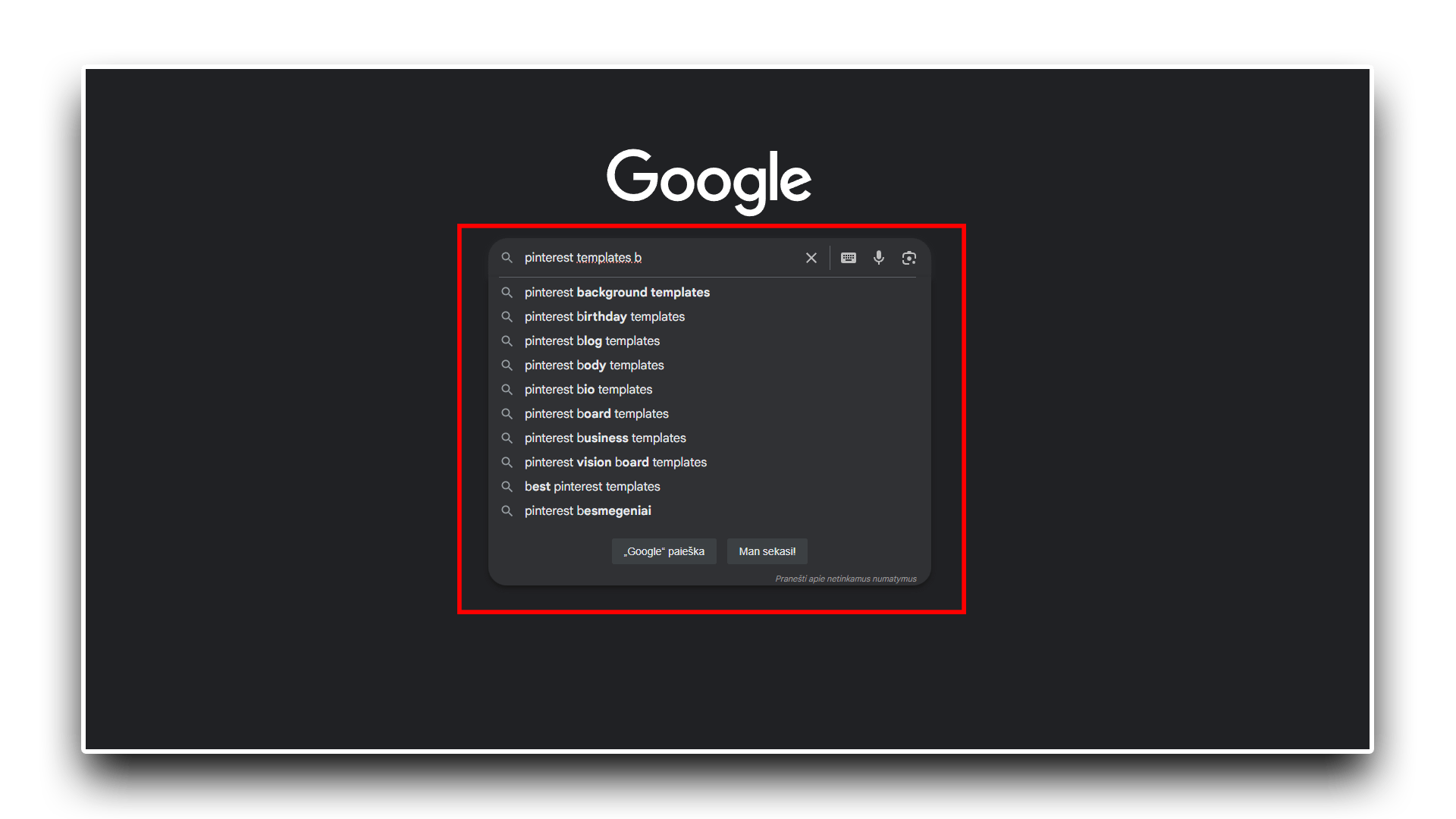
I don’t recommend targeting broad, short keywords like “Pinterest templates.” Instead, try targeting something more specific, such as “Pinterest templates for bloggers.” This way, you have a better chance of ranking. These keywords should be used in your title, but the title should still sound natural and not be keyword-stuffed.
2. Competition
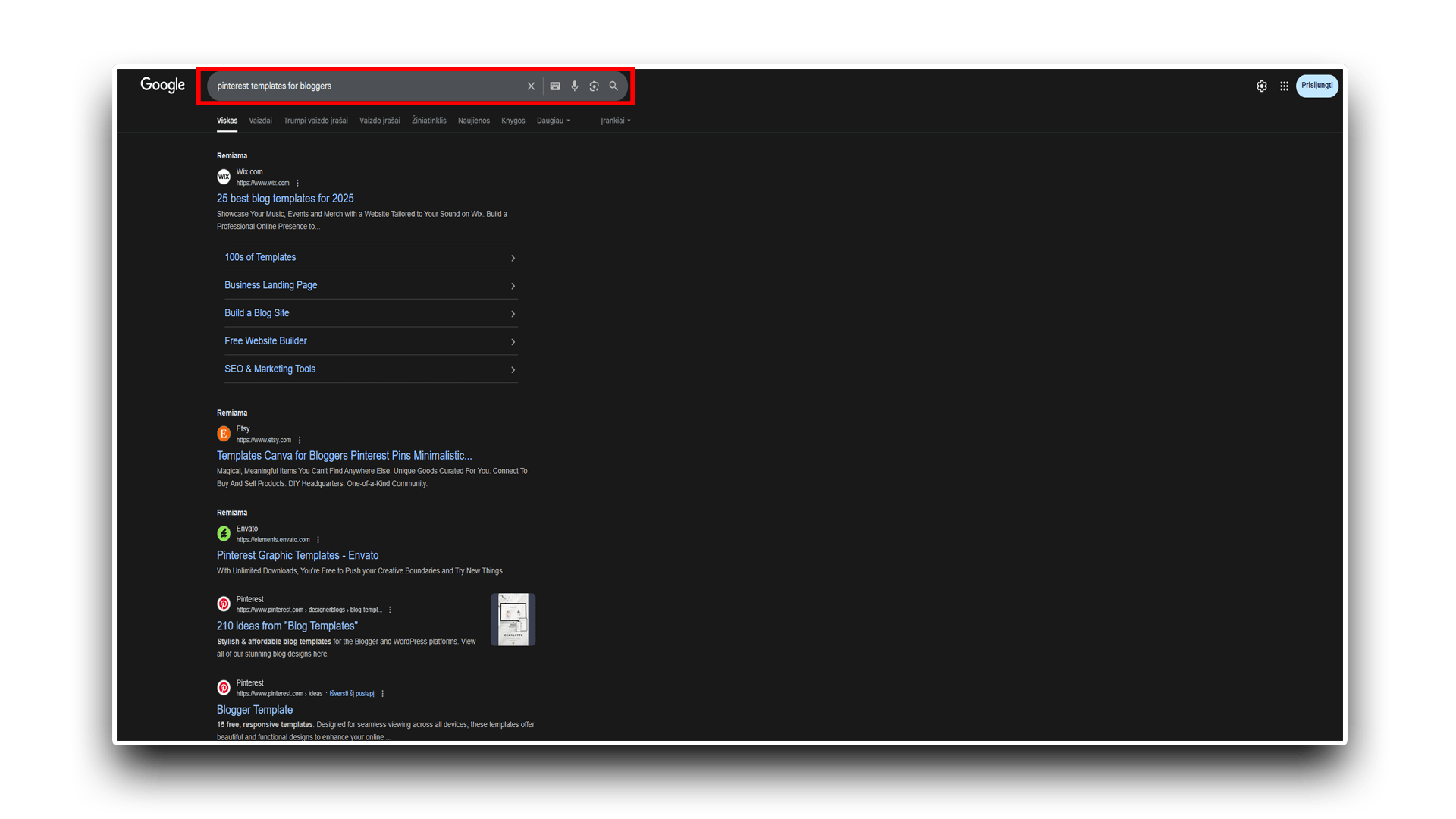
If I type the keyword “Pinterest templates for bloggers” into Google, I see a couple of sponsored websites and only two sites that might sell me what I want. The others are mostly Pinterest posts, where I have to keep digging to find what I need, which creates friction. What does this tell you? You should try this keyword!
While there’s no guarantee you’ll rank, if you optimize your product sales page, your social media profile where you promote that product, or anything else with the keyword “Pinterest templates for bloggers,” you have a good chance of ranking.
Bottom line: Always check the competition. If you’re serious about learning how to rank a website on Google first page, this step is crucial as it tells you whether your chosen keyword is realistic or too competitive. So, look at the search results and be honest with yourself about whether you have a chance there. If you see many Reddit posts, Pinterest posts, or a “people also ask” section, it might suggest a gap you can fill. On the other hand, if you see a lot of big companies ranking at the top of the search results and barely any new sites, that tells you there’s little to no chance.
3. Descriptions
While search engines are becoming extremely clever, it’s still a good idea to naturally include keywords in your description. Of course, don’t keyword stuff. People who want to purchase a product or service from you definitely don’t want to read boring, keyword-stuffed descriptions. Plus, there’s a good chance search engines may penalize you for keyword stuffing.
Keyword stuffing is the excessive use of keywords that makes the text hard to read.
Include keywords naturally here and there, or wherever it makes sense, but don’t overdo it.
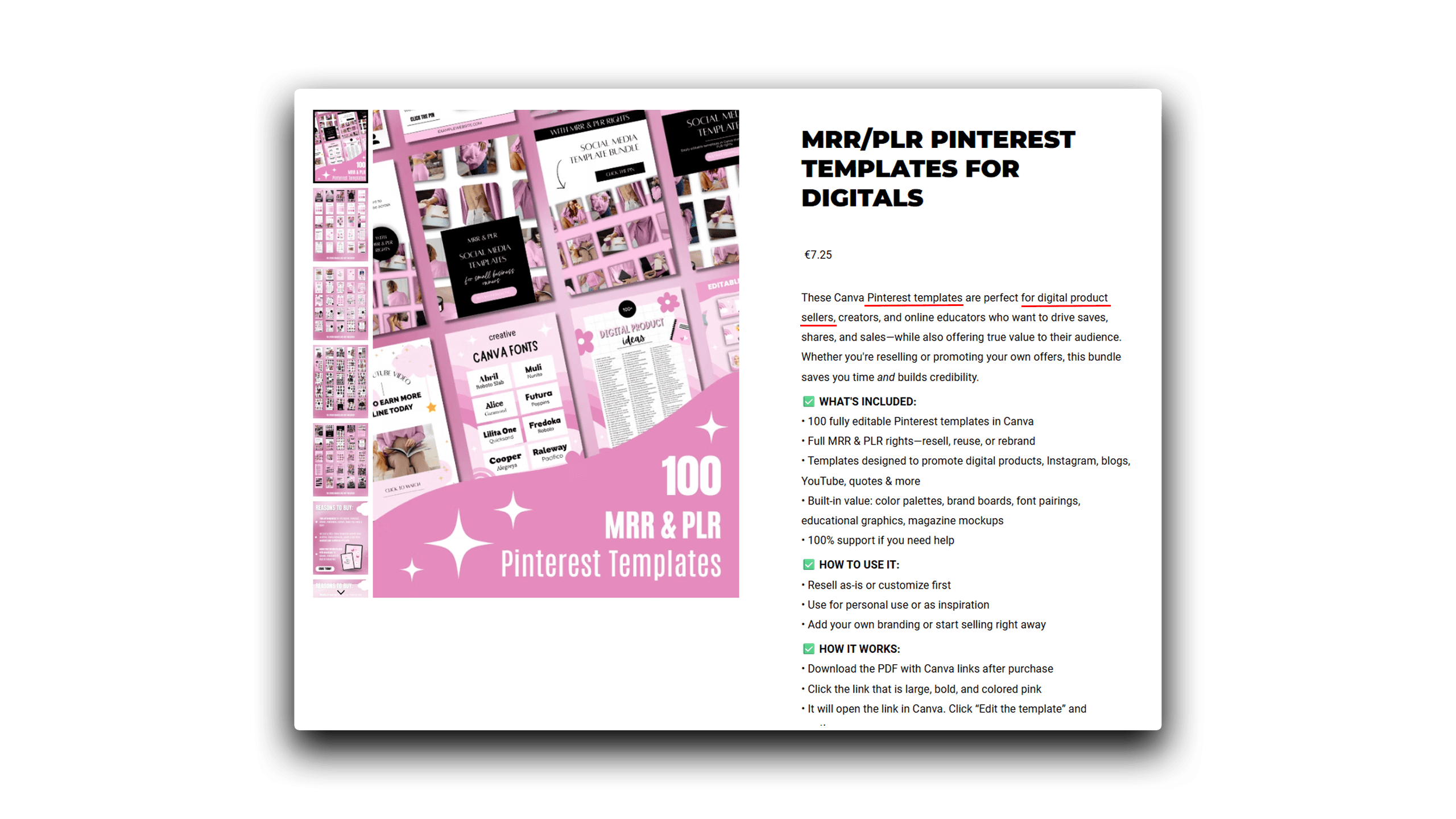
At the time of writing this post, my website has been live for just a couple of days. A couple of days! And I’m already ranking in Google search results (proof below). Some might say, “Yeah, but who actually types that into the search?” The thing is, if you manage to rank for a specific phrase, search engines often rank you for hundreds of similar ones you might not have thought of. 🙂
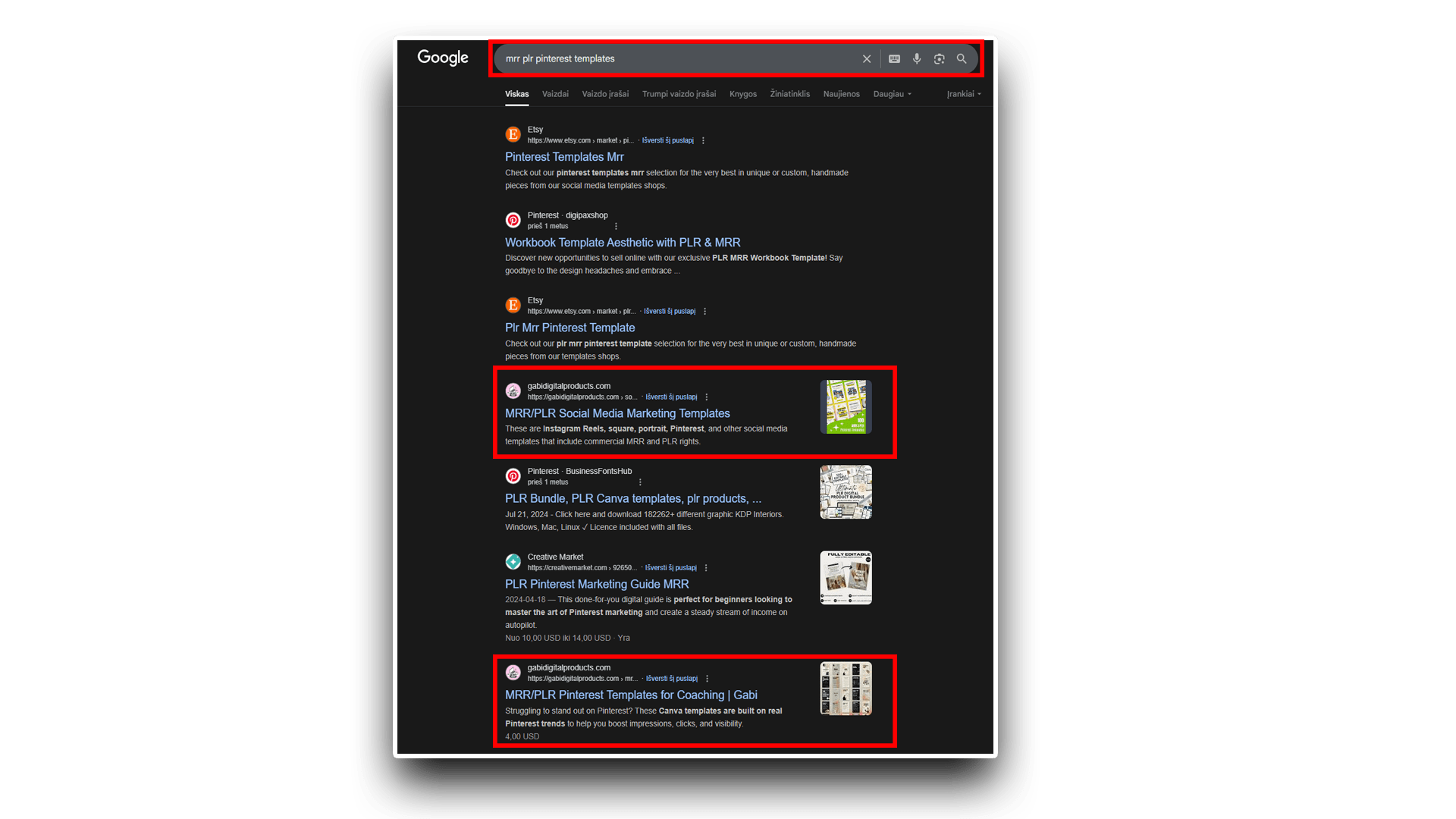
It’s always better to go after easier keywords than to not rank at all and miss out on being found through related searches.
4. File Names
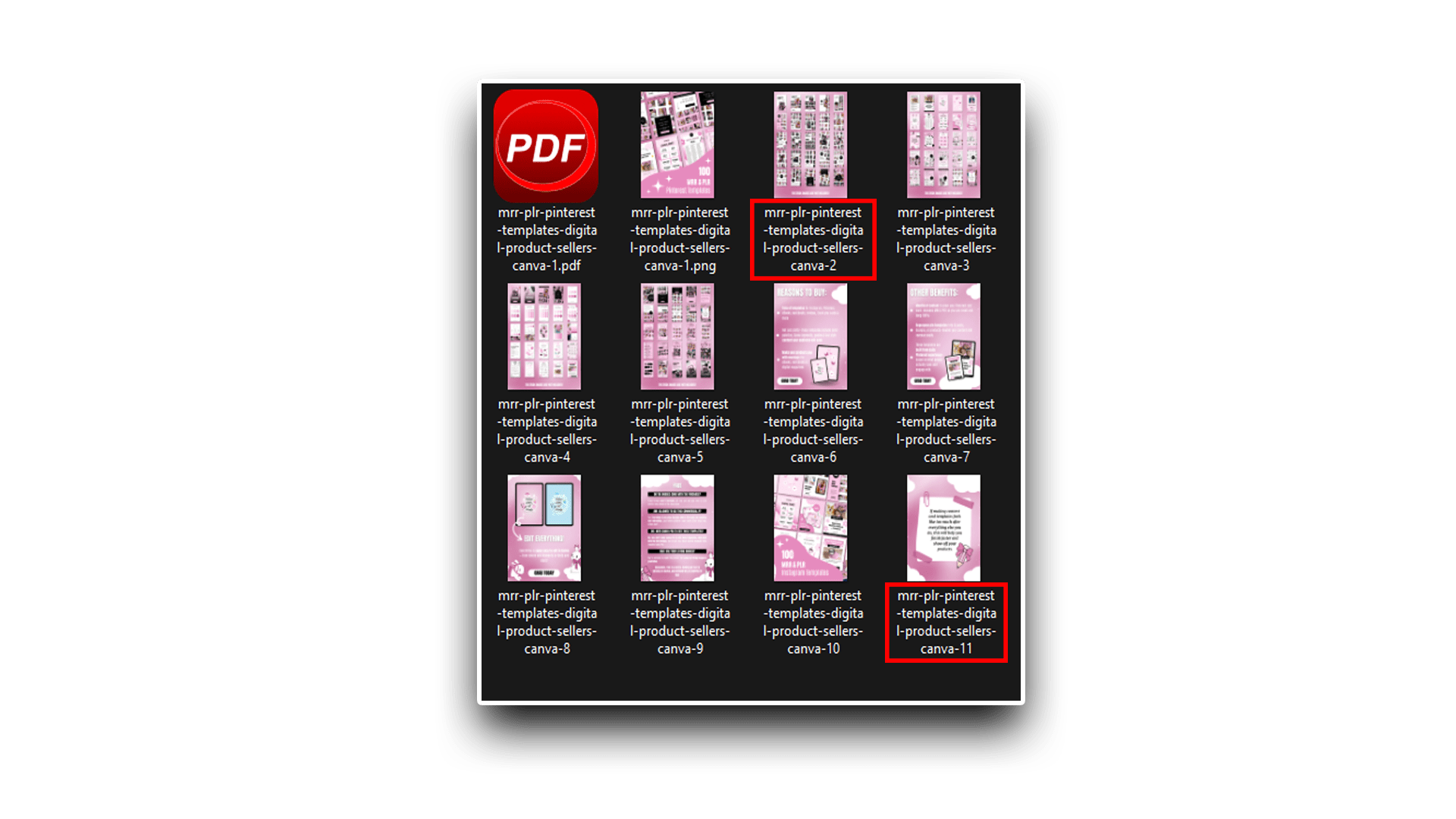
File names are easy. Got the keyword “Pinterest templates for bloggers”? Name your image file like this: pinterest-templates-for-bloggers.jpg. The same goes for your URL slugs if you have a website.
5. Alt Texts
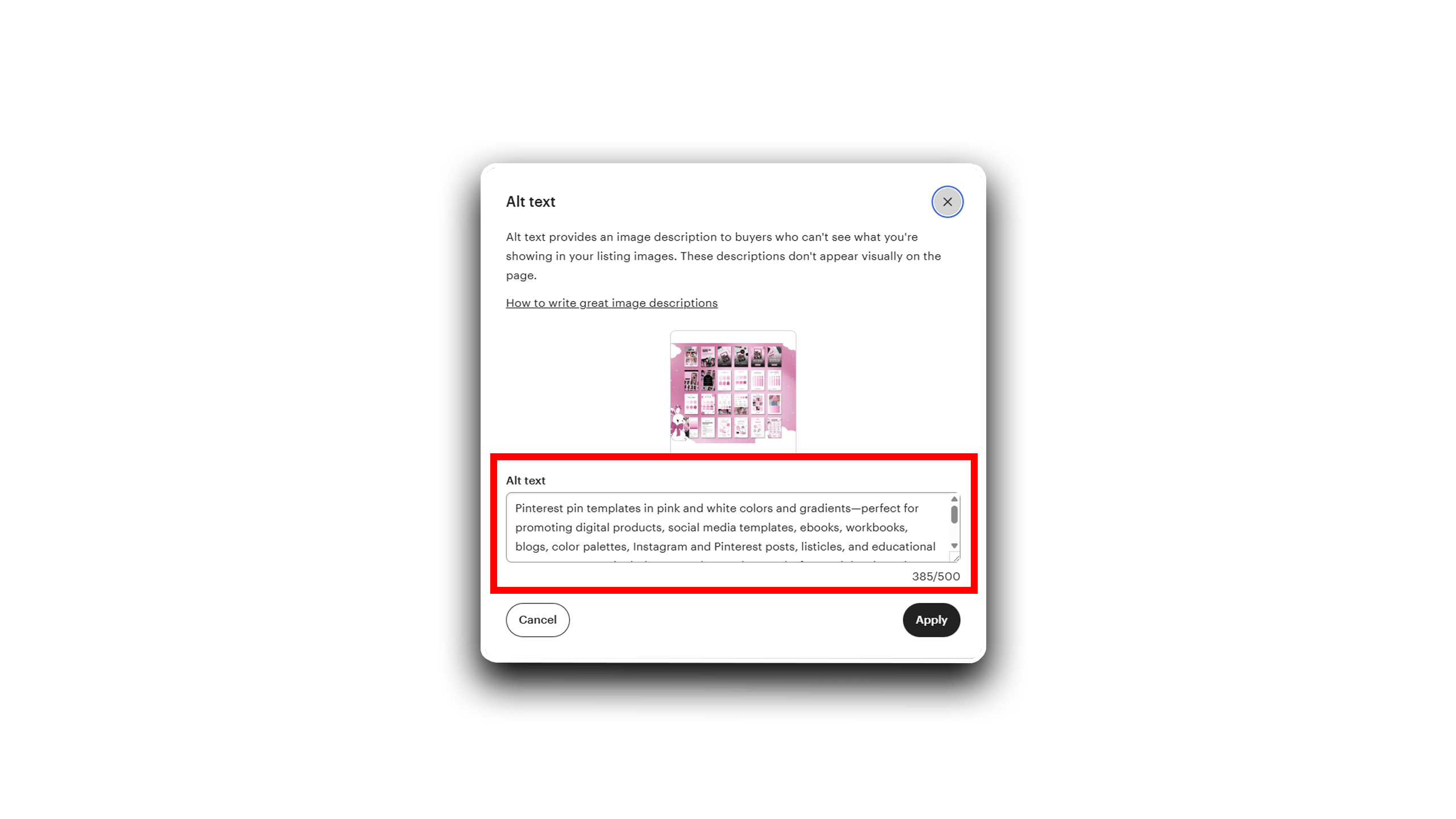
Alt image texts primarily help people with visual impairments or other needs, so you should always describe exactly what you see in the image. However, you can also naturally include keywords here and there.
Alt image texts are not just a legal requirement; they also assist people who, for example, cannot see certain colors, as the alt text can describe the colors of your products. When done ethically, SEO can help customers discover and better understand your products through the alt text.
6. Other Important Spots
Some platforms offer additional areas you can optimize. To give your site the best opportunity to rank on the first page of Google search results, you should also optimize these extra sections. Again, don’t overdo it, but don’t ignore them either. Using all available tools and options that the platform provides can give you an edge when learning how to rank a website on Google first page.
If you want to learn more secrets, you can grab my SEO eBook where I cover Pinterest, YouTube, websites, and more. But even if you don’t, you now have a solid foundation you can start working with.

That’s it for today! I hope you found this helpful. Now, go after your dreams and let SEO help you grow.
Wishing you success and a great day!
Love, Gabi. <3